
Women as Drivers of Climate Action: Lessons from the Women’s Fishbowl Discussion at the Educators Stand for Climate Justice and Just Transition conference
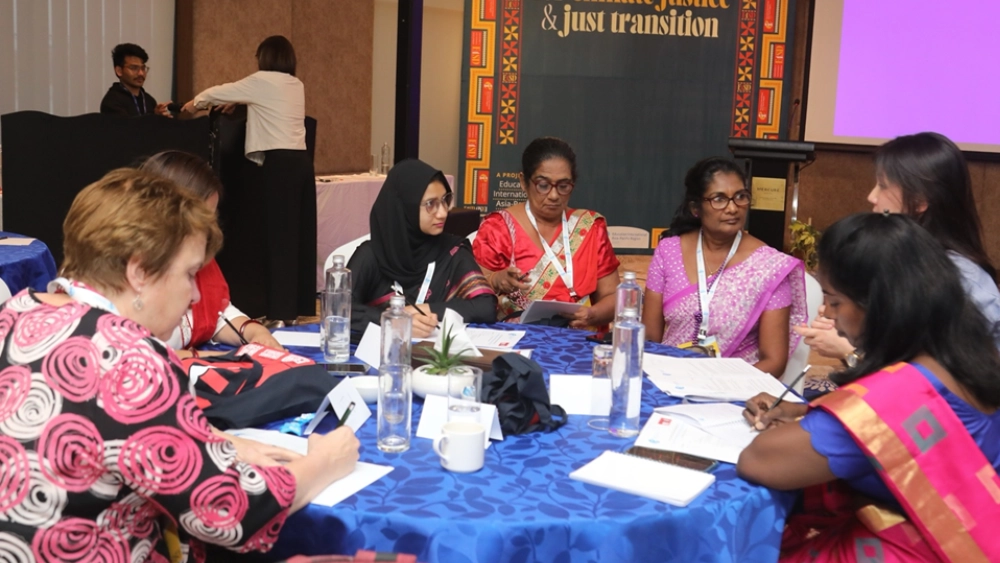
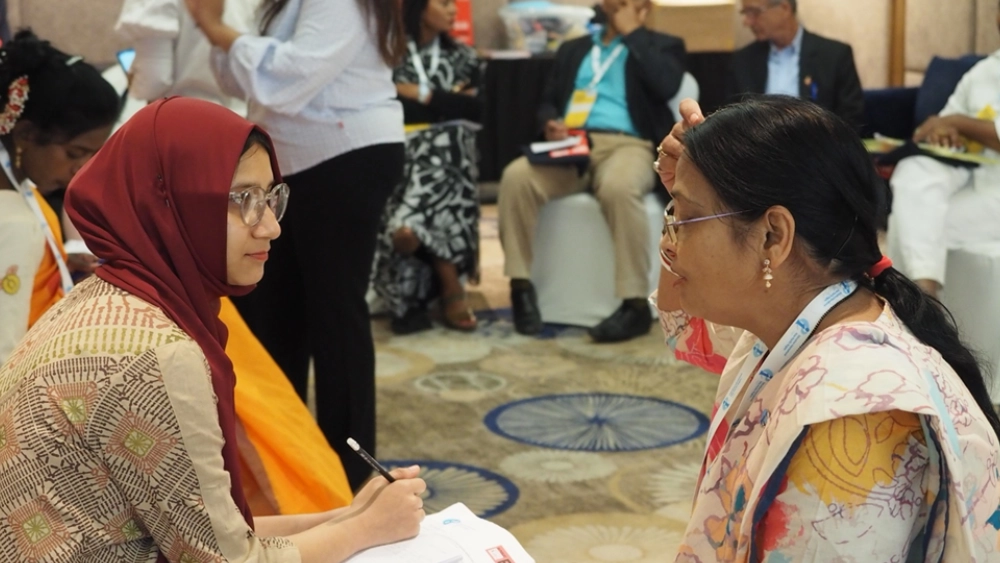
Encouraging women to take on leadership roles in unions and policymaking is strategically necessary for promoting climate action. This was the key lesson at the fishbowl discussion led by women education unionists, a feature of the Educators for Climate Justice and Just Transition conference, which was held in Kathmandu, Nepal last April.
The climate crisis and women in South Asia
“Women are affected more by climate impacts. During times of crisis, such as water scarcity and loss of income due to climate change, girls are often traded off to marriage so that families might survive,” shared a female union leader from India.
In South Asia, home to 937.5 million girls and women, climate change is worsening gender inequality. For instance, nearly 650,000 Pakistani pregnant women were cut off from access to healthcare and some forced to give birth under the sky during the 2022 massive flooding. Gender-based violence has also been found to spike in the region in the aftermath of climate disasters, where girls are also being traded off for marriage in exchange for food and money. Alarmingly, a recent analysis by UN Women found that governments in South Asia have been slow to integrate gender concerns into climate policy.
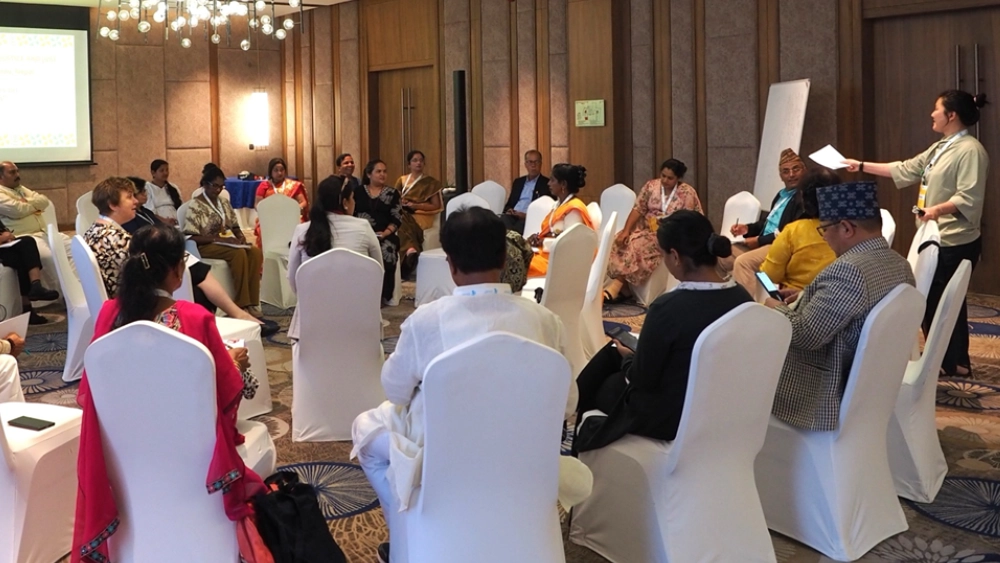
Moreover, traditional patriarchal notions expect women to focus on familial roles. restricting their economic mobility, the group said. In South Asia, only one in four women are part of the workforce. Women union leaders from Nepal and India affirmed that societal expectations force women to handle household chores, limiting their ability to seek employment opportunities.
“Domestic work is expected to be the burden of women, leaving little time for other activities [such as climate action]. But climate change affects us more, so women must be involved [in decision-making processes],” a Sri Lankan women leader said.
Indeed, failing to bolster women’s leadership and participation deprives policymaking processes of the insights and perspectives that women uniquely bring, which can drive innovation in building climate resilience, sustainable development and advancing a just transition.
Starting with our unions
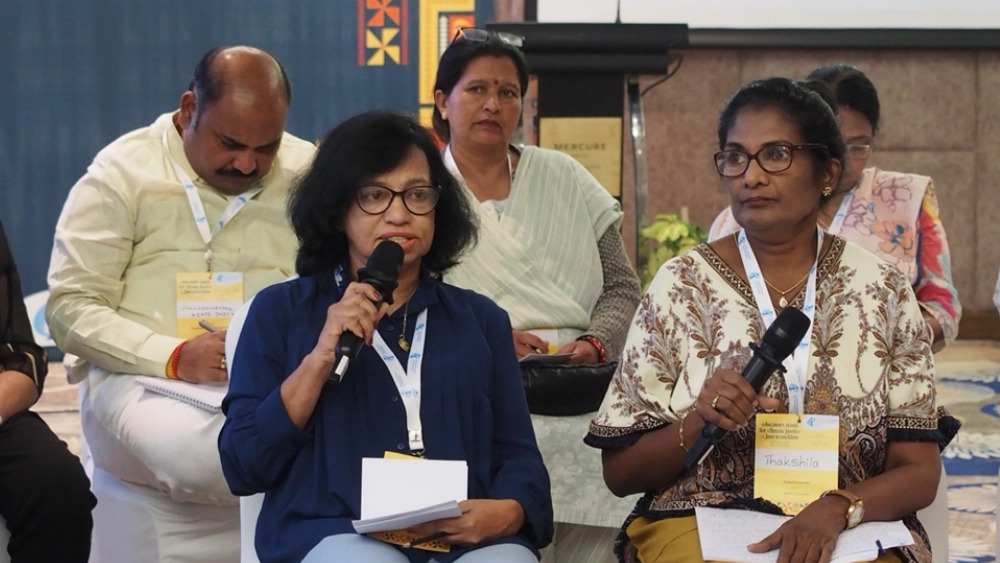
At the discussion, women unionists underscored the importance of reforming union structures to train more female leaders and amplify women’s voices in climate advocacy.
“We are still fighting for our place in the family, the union and the country. We are only participating, not leading. Women still hesitate to raise their voice in union meetings; we are scared. Women need to learn to act as a group, in solidarity,” women leaders from Nepal said.
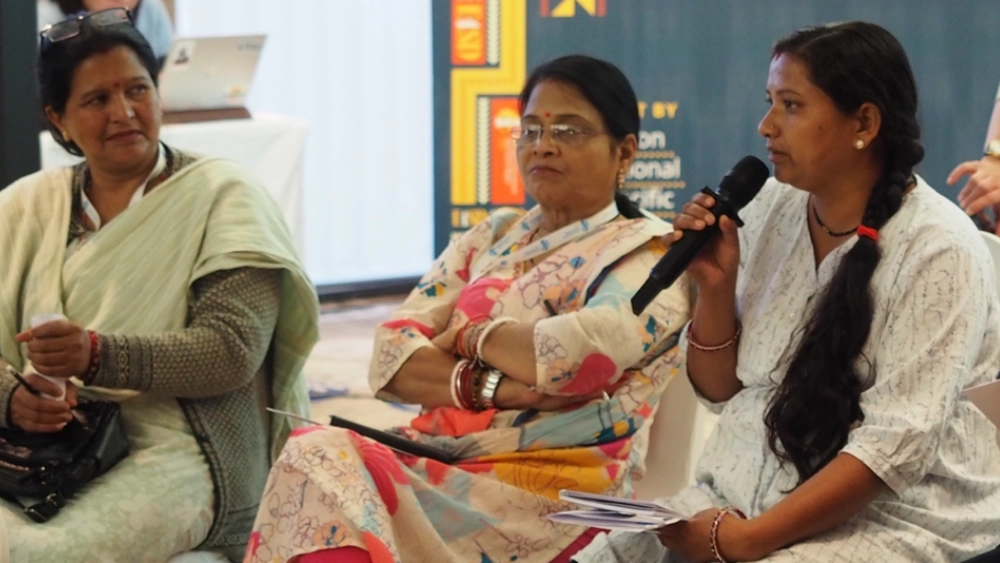
“We are still fighting for our place in the family, the union and the country. We are only participating, not leading. Women still hesitate to raise voice in union meetings; we are scared. Women need to learn to act as a group, in solidarity.”
Women leaders from Nepal
The group also said that the absence of female leadership affects curriculum development, where women barely participate. This further highlights the systemic barriers that hinder women’s engagement in shaping climate change education, which could lead to stronger communities withstanding the impacts of climate change. “During curriculum formation, women hardly participate. We need to change this,” a Nepali female union leader said.
A call for change
Anand Singh, EIAP Regional Director highlighted this crucial connection: “Up to 60% of teachers are women. If we want a strong union that can work towards climate action and quality climate education for all, we must reflect this in our membership and leadership.”
Indeed, empowering women to hold leadership roles is vital for shaping education policy reforms related to climate change education. This can start within our unions by removing systemic barriers and consciously challenging societal norms and expectations preventing women from participating in politics and collective action.