
Asia-Pacific educators forge path “Towards Quality Climate Education for All”

Delivering quality climate change education for all hinges on governments addressing the persistent challenges besetting education. This means building climate-resilient classrooms, tackling chronic teacher shortages, supplying critical learning resources and providing robust and continuous teacher trainings on climate change—while also upholding teachers’ professional autonomy. These were the key takeaways from EIAP’s Climate Justice Series #6 held on 08 July 2025, which also marked the official launch of the report, “Towards Quality Climate Education for All: A Critical Assessment of Climate Education Policies in India and the Philippines.”
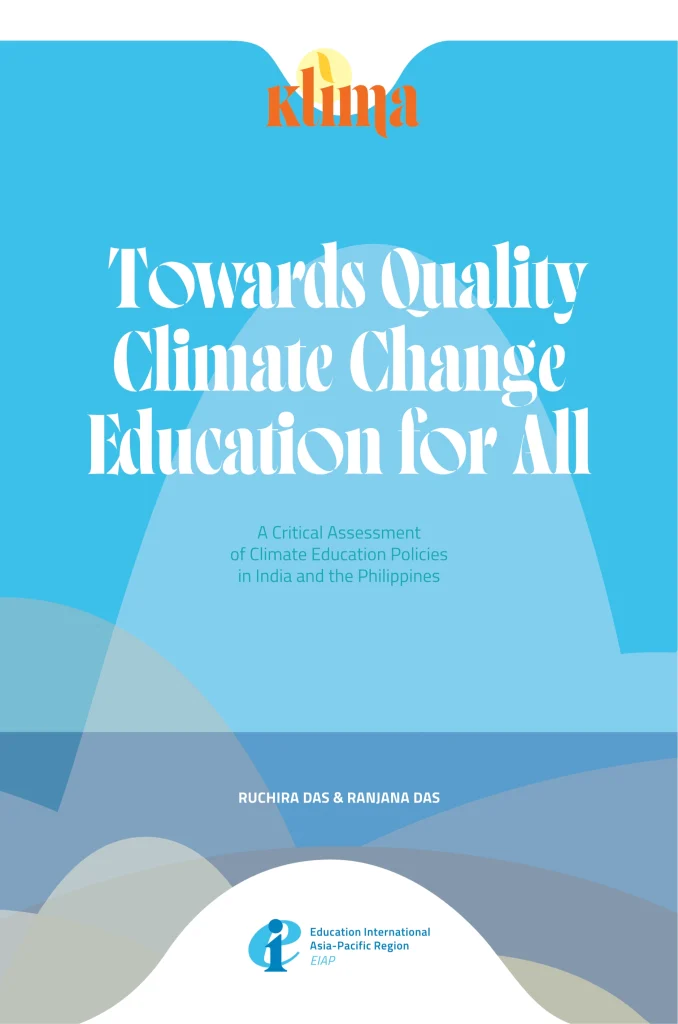
The report notes that while India and the Philippines have recognised the need to prepare students for climate action through CCE, there is a significant gap between national policies and the ground realities in the classrooms of the two climate-vulnerable countries.
Dr. Ruchira Das and Dr. Ranjana Das, the study’s principal authors, shared key findings and recommendations drawn from research in areas such as the Sundarbans, Gadchiroli and Delhi in India, and Metro Manila and Boracay Island in the Philippines. They interviewed a wide array of stakeholders, including teachers, school administrators, textbook writers, students, parents, community representatives, and education unions. The report notes that while India and the Philippines have recognised the need to prepare students for climate action through CCE, there is a significant gap between national policies and the ground realities in the classrooms of the two climate-vulnerable countries.
According to Raymond Basilio, ACT Philippines General Secretary and study respondent, while the Philippines may boast of laws declaring CCE as a priority, the education sector is still severely underfunded, with many teachers forced to provide their own teaching materials on climate change. Even when the government provides textbooks discussing climate change, these often use examples from other countries that are unfamiliar to Filipino students, leaving many students confused or feeling isolated from the learning material, he said. Hence, ACT Philippines initiated teacher training and support for Indigenous peoples-led schools (Lumad schools) in Mindanao, southern Philippines. The Lumad schools are a great example of place-based and contextual learning on climate change because students are taught about their ancestral lands through the lens of ecological stewardship, he added.
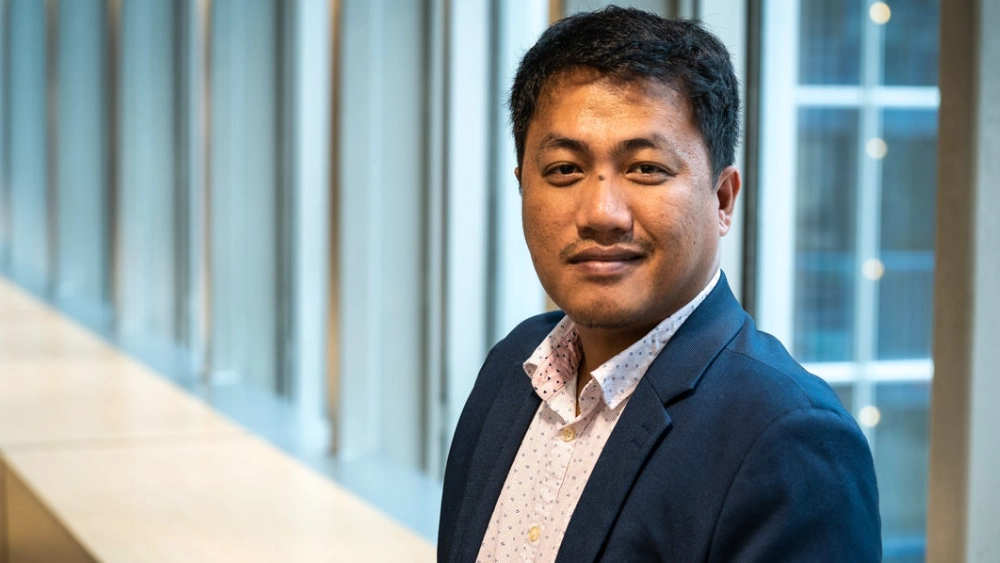
“Even when the government provides textbooks discussing climate change, these often use examples from other countries that are unfamiliar to Filipino students, leaving many students confused or feeling isolated from the learning material.”
Raymond Basilio, ACT Philippines General Secretary
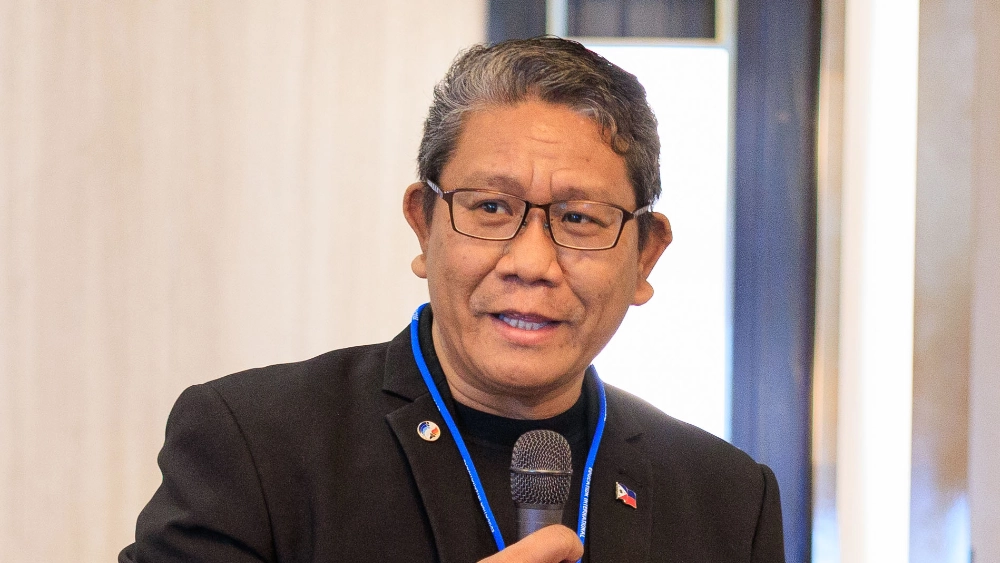
Meanwhile, according to NATOW President Dr. Avelino Caraan and study respondent, education unions position teachers as expert resources for textbooks, where he believes advancing the quality climate education agenda is possible. “Teachers are given opportunities to evaluate textbooks that they believe are appropriate and responsive to their syllabi,” he said. Moreover, NATOW wants to frame CCE as part of the right to education. Caraan reiterated that incorporating climate justice into the national curriculum and teaching practical education on climate resilience and disaster preparedness are critical for students in the Philippines, one of the most climate vulnerable and disaster-prone countries in the world.
“Incorporating climate justice into the national curriculum and teaching practical education on climate resilience and disaster preparedness are critical for students in the Philippines, one of the most climate vulnerable and disaster-prone countries in the world.”
Dr. Avelino Caraan, NATOW President
Among the various similarities between India and the Philippines, teachers acknowledging their lack of confidence in teaching CCE as a significant barrier stands out. During the open discussion, educators noted that many of them hesitate to teach climate change because they do not have the proper training. Indeed, according to the UNESCO, while 85% of teachers believe climate change is an important subject to teach, fewer than 40% were confident in teaching about climate change as a crisis. Only one-third agreed that they could explain the impacts of climate change in their region or locality. This can have myriad implications on the quality of climate change education that students are currently receiving, especially when seen through the urgent call for decolonial pedagogies in education. Hence, the work of education unions fighting for the professional development and dignity of teachers must be treated as a cornerstone of the quality climate education for all agenda.
According to the UNESCO, while 85% of teachers believe climate change is an important subject to teach, fewer than 40% were confident in teaching about climate change as a crisis.
In his opening remarks, EIAP Regional Director Anand Singh noted that EIAP affiliates have tirelessly advanced the goals of the Educators for Sustainable Development Program. “Your steadfast energy and enthusiasm have been the driving force of the E4SD program. As we move forward, the study hopes to guide education unions in advocating for curriculum reforms fostering quality climate change education for all. That is, climate change education that teaches students about the climate crisis through the lens of equity and justice and is geared towards an ecologically sustainable future built through a just transition,” he said.
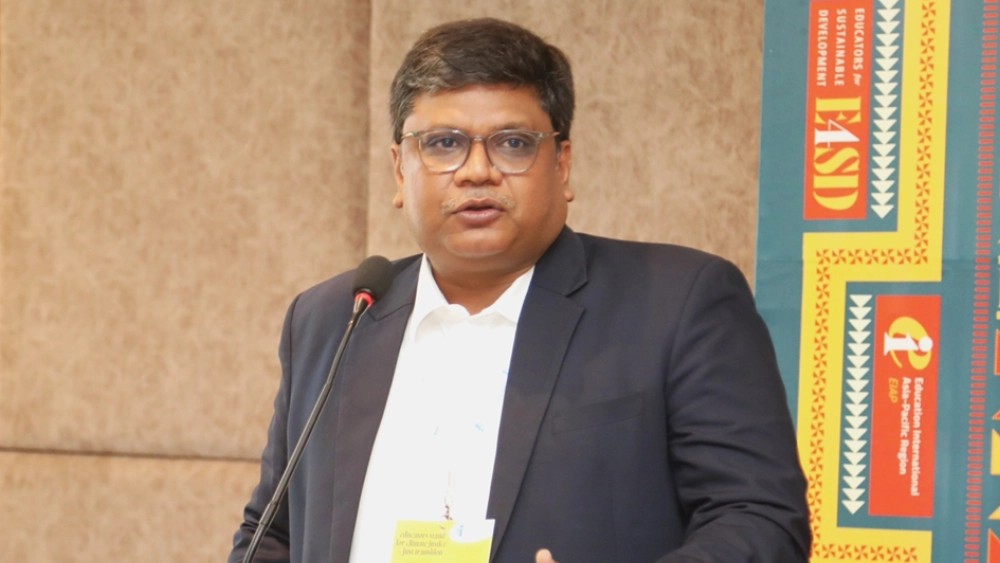
“This study hopes to guide education unions in advocating for curriculum reforms fostering quality climate change education for all. That is, climate change education that teaches students about the climate crisis through the lens of equity and justice and is geared towards an ecologically sustainable future built through a just transition.”
Anand Singh, EIAP Regional Director